
CGI Ads Cost in India: What You Pay and How AI Changed It
Updated 9 Oct 2026 by the OnsetFrame team
A traditional CGI product ad in India is priced by stage: 3D modelling, texturing, animation, lighting, rendering, then sound and edit. One Indian production agency's August 2026 cost guide puts a 30 to 60 second 3D product animation at Rs 1,50,000 to Rs 5,00,000 or more. AI changed the cost structure by generating visuals from product photos, which removes the model build and long render time. Short CGI-style social ads now cost less to make. True 3D still suits technical reveals and reusable assets.
What people mean by a CGI ad
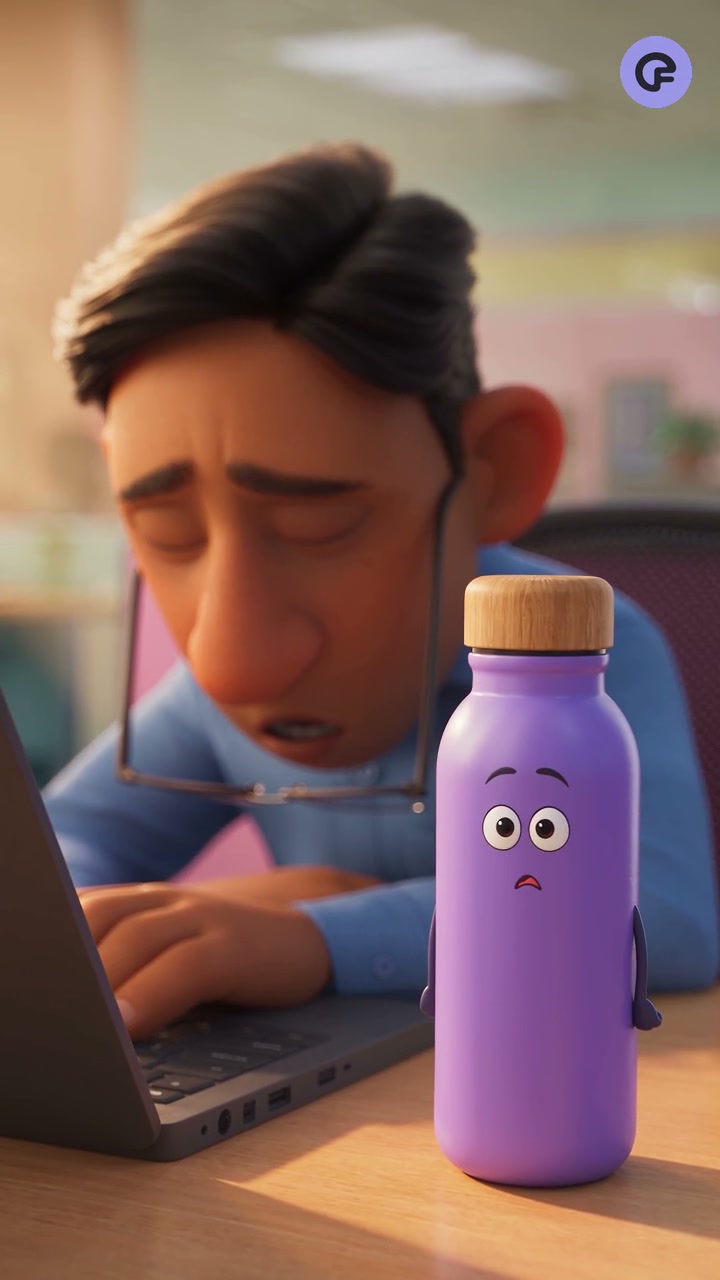
A CGI ad is a video where some or all of the visuals are made on a computer instead of filmed. For a D2C brand this usually means a product floating in a stylised scene, a bottle splashing through liquid, a ring turning under studio light, or a product appearing on a city building.
There are two very different ways to make this today. The first is classic 3D: an artist builds your product as a 3D model, then animates and renders it. The second is AI generation: a model creates the scene from your product photos and a written direction. Both can give a CGI look. They are priced in completely different ways, so know which one a quote is for.
What classic CGI costs in India
Published Indian prices for classic 3D work are high because every second is built by hand. A cost guide from one Pune-based production agency, dated August 2026 and read in October 2026, lists 3D product animation of 30 to 60 seconds at Rs 1,50,000 to Rs 5,00,000 or more. The same guide puts a live-action product demo of similar length at Rs 50,000 to Rs 1,50,000, and says high-end VFX or 3D rendering can double a budget.
Rendering alone is often billed by the second. One article on a 3D design software platform, dated June 2025 and read in October 2026, gives rendering costs in India of Rs 500 to Rs 5,000 per second, depending on how complex the animation is and how high the output quality needs to be. That is only the render step. Modelling, animation, sound and edits sit on top.
Where the money goes in a 3D ad
When you read a classic CGI quote, check which of these stages are included. Each one takes skilled time.
- Modelling: building your product accurately in 3D, including caps, engravings and labels.
- Texturing and materials: making metal, glass, fabric or the skin of a fruit look real.
- Animation: camera moves, product turns, liquid and particle effects.
- Lighting and rendering: the slow, compute-heavy step that turns the scene into frames.
- Compositing, sound, voiceover and edit: bringing it together into a finished ad.
- Revisions: a change late in the process can mean re-rendering whole shots.
How AI changed the price
AI did not make 3D artists cheaper. It removed several stages for one type of ad. When visuals are generated from product photos, there is no 3D model to build and no long render queue. A short vertical ad with a CGI look can be produced from a script, a few good photos and a clear visual direction.
This changes how you buy. Instead of paying for artist days and render seconds, you pay for a finished short video. It also makes testing possible. A brand that could afford one hero CGI film can now try several hooks, scenes and languages, and keep what works in its own ad account.
Where AI-made CGI falls short
AI generation is not a drop-in replacement for a 3D pipeline. Know the limits before you brief.
- Product accuracy: AI can change a logo, a label line or a stone cut. Every frame needs a human check against the real product.
- Small text: packaging copy and fine print often need to be added in the edit, not generated.
- Exact mechanics: a hinge, a pump action or an internal cutaway is safer in true 3D.
- Long, continuous shots: short cuts work better than one long unbroken camera move.
- Honesty: an AI-made person holding your product is not a customer. Never present an AI ad as a real review or testimonial.
When to pay for true 3D, and when not to
Use classic CGI when the product itself is the story and must be exact, or when you will reuse the 3D model across a website, marketplace listing, packaging mock-ups and many future ads. That reuse spreads the build cost.
Use AI-made visuals when you need short Reels, Shorts and Meta ads, many variations, festive refreshes, or a CGI mood around a product you already have good photos of. Some brands do both: one 3D hero asset for the year, and AI-made social ads for regular testing.
Getting a quote without surprises
Whichever route you pick, ask for the same things in writing: final length and aspect ratio, number of versions, what is included in revisions, who checks product accuracy, music licence terms and delivery formats. A low quote that excludes revisions or voiceover is not a low price.
OnsetFrame makes AI video ads from product photos, up to 30 seconds and vertical 9:16, with script, visuals, voiceover, music, captions and editing, checked by human editors against the real product. There is no published price list. The cost depends on how many videos you need and what goes into them, so you send an enquiry and get a quote.
Questions people ask
Is a CGI ad the same as an AI ad?
No. A CGI ad is any ad with computer-made visuals. Classic CGI is built by 3D artists frame by frame. An AI ad generates the visuals from photos and directions. Both can look similar on a phone screen, but the process, timeline and quote structure are different.
Can I reuse a classic 3D model later?
Usually yes, if your contract gives you the model files. A finished 3D model can be re-rendered for new angles, listings and future ads, which is one reason a higher upfront cost can still make sense.
Will viewers know the ad is CGI or AI?
Some will, and that is fine for stylised product scenes. Problems start when an ad pretends to be real footage of a real customer. Keep AI-made people out of anything framed as a review.
How does OnsetFrame price and deliver a CGI-style ad?
There is no subscription and no published price. You send an enquiry, get a quote, pay after accepting it and then upload your product photos. The first preview of a single video comes in 1 to 2 business days, with one round of changes included.